
























Let your Data Fly
Automation That Gives Back Your Nights
Reclaim hours, reduce friction, and let your business run while you relax.
The Silent Automation Killers Stops
Automation is not about saving clicks. It’s about removing the friction that keeps your people from doing their best work. A sales manager who spends six hours each week fixing pipeline numbers isn’t coaching her team. A finance analyst drowning in reconciliations isn’t spotting margin leaks.
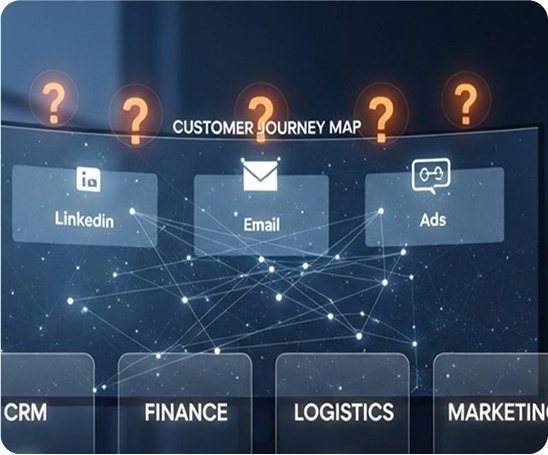
Automation That Understands Your Business Not Just Your Tasks
Centralize Your Data | Accuracy and Efficiency
Connect CRM, ERP, Finance, and Operations into a single hub.
Eliminate reporting errors, stop silos, and make faster, data-driven decisions.
Automation That Mirrors Your Logic, Not Your Software.


The Blueprint That Makes It All Work: Mapping Before Building





From Random Rules to Reliable Architecture.
Unlike a developer who jumps straight into code, we treat automation like architecture. The map ensures every trigger, data exchange, and approval process follows your company’s Standard Operating Procedures (SOPs). This approach guarantees that automations reinforce discipline, not disorder. It means that when your teams work inside HubSpot, NetSuite, Shipwell , or Monday.com, they’re following the same logic — one that reflects your actual business process, not a template someone else designed.
The Four Types of Automation
Native Integrations
The simplest form of automation is the native integration, the built-in connections between platforms such as HubSpot syncing with NetSuite or Monday.com talking to Slack. They are fast, easy, and often just a matter of clicking a checkbox. For an early-stage company or a team that needs straightforward alignment, native integrations feel like magic. But they are also limited, because they only cover the use cases the vendor imagined. The moment you need something outside of that box, you hit a wall.
No-Code Tools
Open-Source Tools
Custom API and Webhook
Two Engines of Automation — Engagement vs Workflow
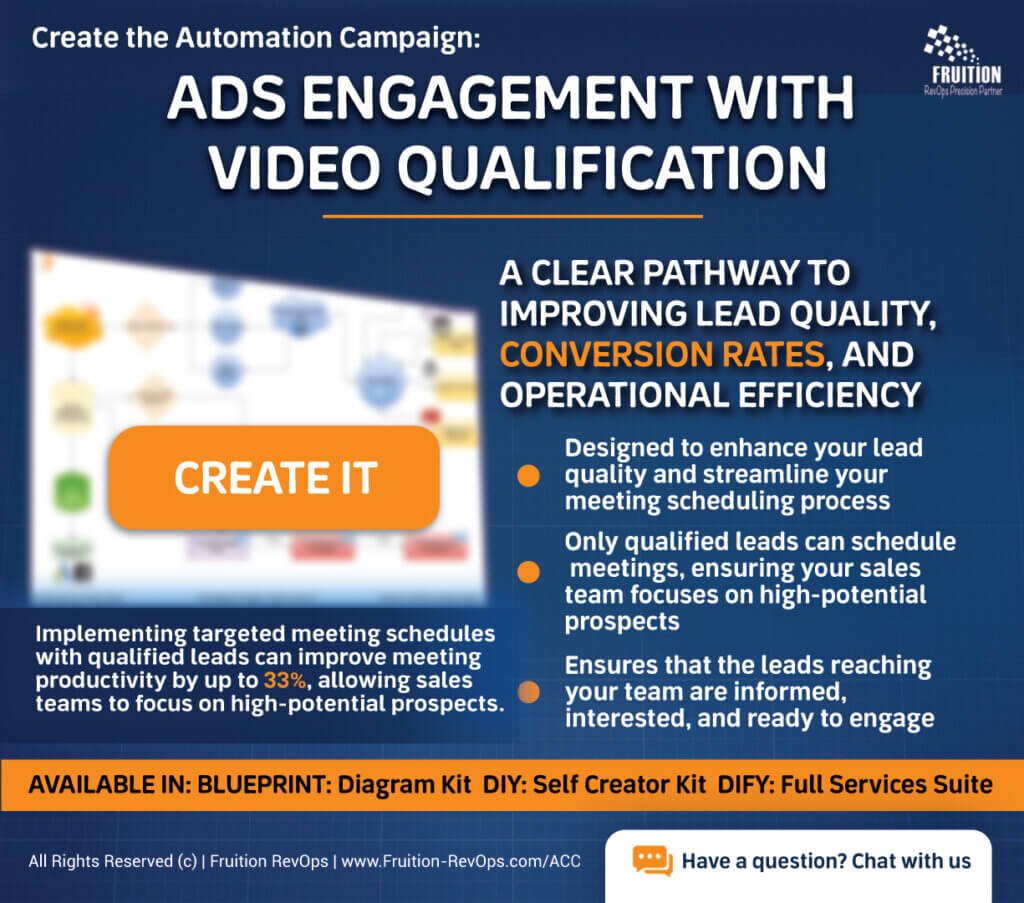
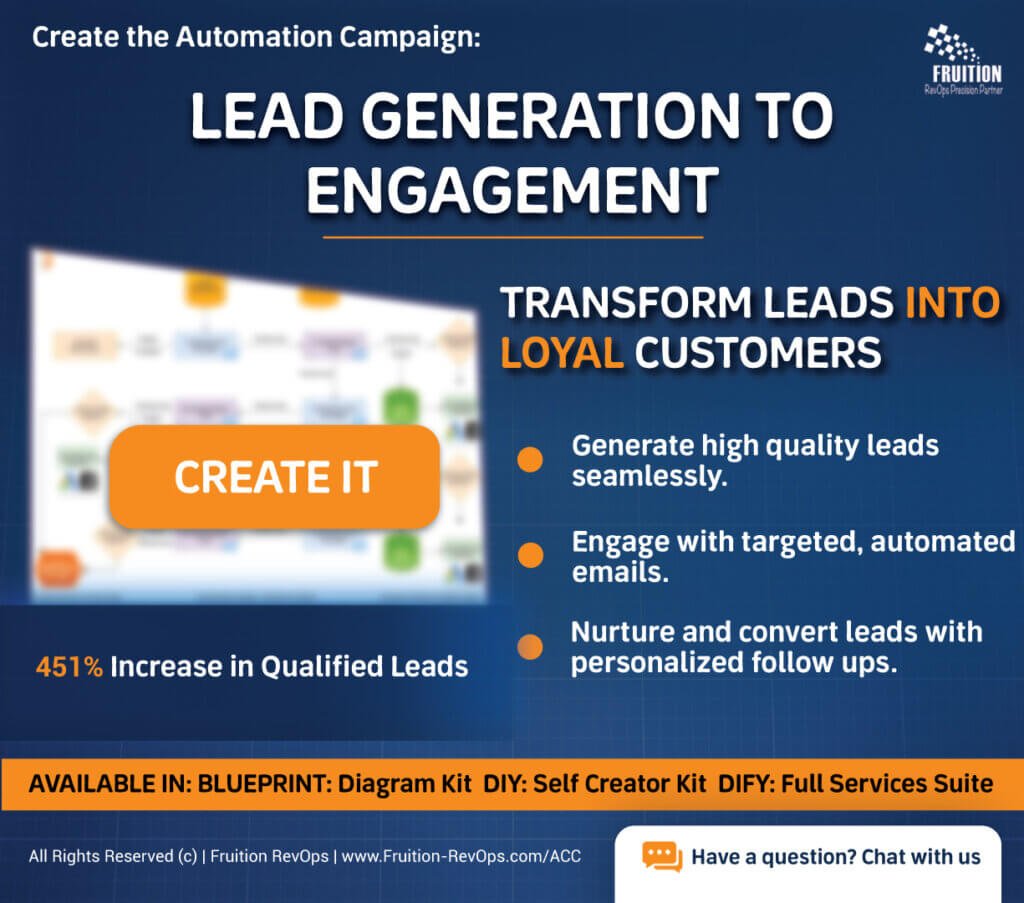
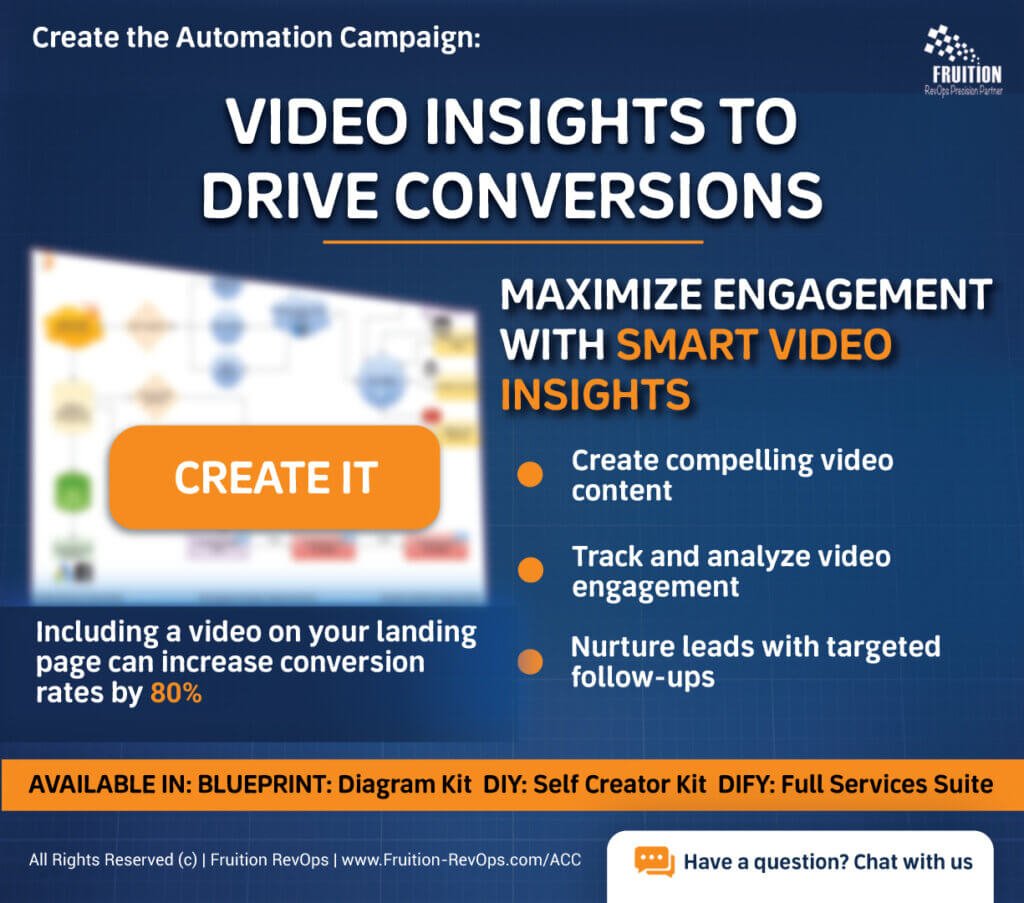
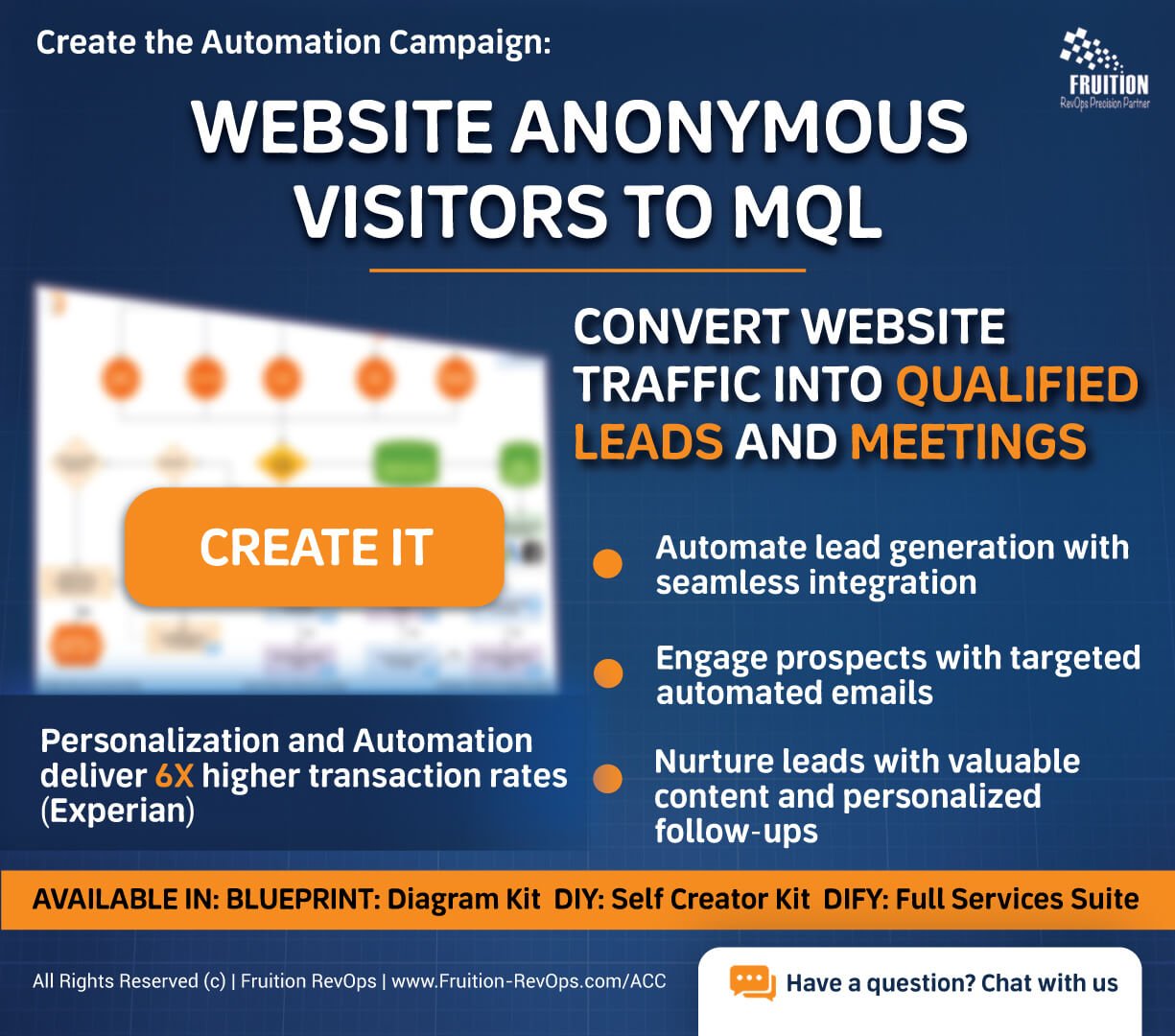
The ACC powers marketing, sales, and customer service — the external side of revenue generation. It creates engagement journeys that react to customer behavior, sending the right message through the right channel at the right time. It automates communication, personalizes interactions, and ensures no lead or client ever slips through the cracks.
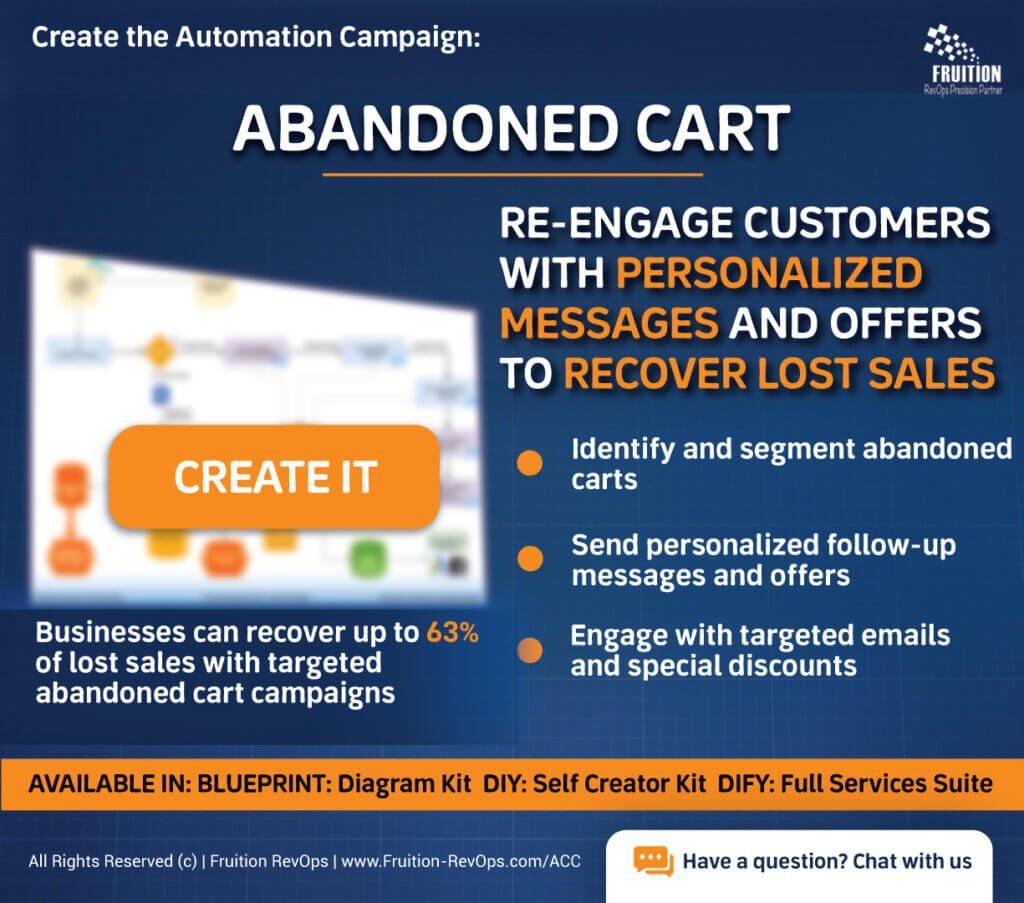
Workflow Automation, on the other hand, powers your internal machine — connecting departments, synchronizing systems, and orchestrating processes that happen behind the scenes. It’s the engine that ensures once a deal closes, the operations team automatically starts production, finance begins invoicing, and customer success receives the delivery update — all in real time.
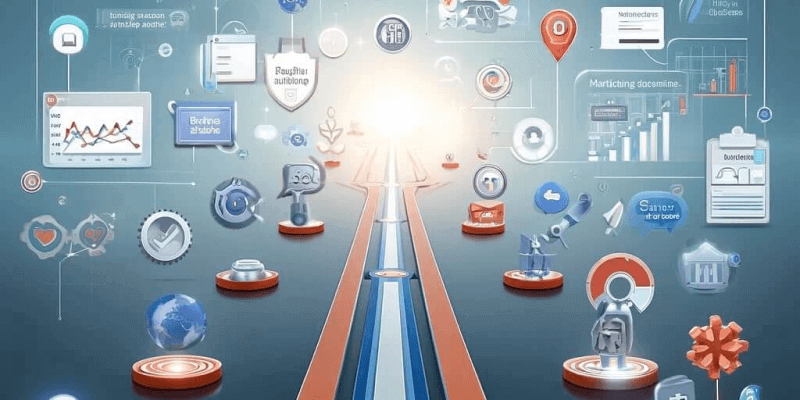
Together, these two automation layers form a single operational rhythm. The ACC keeps your customers engaged and your pipeline active, while Workflow Automation keeps your departments aligned and your data moving flawlessly between systems.
Automation That Scales Means Completing the Flow
Too many companies stop at the surface level of automation. They connect WhatsApp to hubspot or Salesforce to Slack and then celebrate that a message moves from one place to another. But if all you’ve done is pass information between two tools, you haven’t automated — you’ve just relocated the manual work.
Real automation is about completing the flow. It’s about asking: what happens next?
Marketing
Connecting LinkedIn to HubSpot so leads arrive is useful, but it’s only the start. True automation means those leads are instantly qualified, segmented into the right audience, and enrolled in the Automation Campaign Creator so they receive the right message at the right time. No rep has to touch it, no lead gets forgotten, and the next campaign isn’t held hostage by manual uploads.
Sales
It's not enough for a new deal in HubSpot to update NetSuite. Real automation means that the moment a deal stage changes, the right notifications fire to the sales manager, pricing approvals are triggered automatically, and the pipeline forecast updates in real time. Suddenly, managers coach instead of chasing numbers, and leadership trusts what they see on the dashboard.
Operations
The Operations department often lives in the shadows of automation, but here the impact is even greater. A simple “shipment created” update in Shipwell doesn’t change much. But when that event triggers a project update in Monday.com, alerts Customer Success in Intercom, and reconciles automatically in Finance, the entire chain of work moves without delay. The customer feels cared for because every department knows what’s happening, without sending a single email.
Finance
Automation is the difference between reconciliation that takes Finance days and reconciliation that takes them minutes. Instead of waiting for Sales to confirm invoices, automation ensures that once a deal is marked Closed Won, the invoice is generated, the revenue is recognized, and alerts are sent if payment terms don’t align with policy. No more chasing approvals. No more “I thought someone else handled it.
Why Workflows and SOPs Must Come Before Automation
Your Processes Are Costing You
Every broken workflow drains revenue. Let’s fix the foundation and unlock automation that actually works.