




























Top HubSpot CRM Features You’ll Wish You Had Already
Don’t Overlook These Game-Changing HubSpot CRM Features
Unlike traditional CRMs that focus only on contact management, HubSpot CRM features bring a 360-degree view of the customer journey, from the first website visit through nurturing, purchase, and long-term support. The platform combines intuitive design with powerful tools for automation, analytics, and collaboration, making it a trusted solution for businesses of all sizes.
Join us for a close look at the top HubSpot CRM features every business should be using. From comprehensive CRM integration to advanced marketing automation and streamlined sales enablement, you’ll see why HubSpot continues to set the benchmark in this space. More importantly, we’ll show you how these features directly impact revenue growth, customer engagement, and operational efficiency.
HubSpot CRM features are reshaping the way modern businesses manage relationships, automate processes, and drive growth. With more than 91% of companies with over 11 employees now relying on a CRM system (compared to just 12% in 2008) it’s clear that customer relationship management has become the backbone of competitive business strategy.
Among dozens of platforms available, HubSpot continues to stand out. It’s not only a CRM but a fully connected ecosystem that unifies sales, marketing, service, and operations. This integration is crucial in today’s environment, where seamless customer experience is the deciding factor between winning or losing business.
Comprehensive CRM Integration
One of the most powerful HubSpot CRM features is its ability to serve as a central hub for all customer-related activities. In today’s competitive landscape, where data drives nearly every decision, businesses need a system that not only captures information but also connects it across departments. HubSpot’s CRM does exactly that, redefining industry standards with seamless integration.
At its core, HubSpot CRM consolidates data from sales, marketing, customer service, and even operations into a single source of truth. This eliminates the all-too-common problem of data silos, where marketing has one version of a customer profile, sales has another, and service is left scrambling with incomplete information. With HubSpot, every email, call, deal, and service ticket flows into the same platform, giving teams a 360-degree view of the customer journey.
The Power of Unified Customer Data
This holistic view translates into faster sales cycles, better customer satisfaction, and ultimately, higher revenue. According to HubSpot, businesses that leverage integrated CRM systems experience up to a 30% increase in sales productivity because teams spend less time hunting for data and more time engaging customers.
Beyond Contact Management
Unlike traditional CRMs that stop at storing names and numbers, HubSpot CRM features extend far beyond basic contact management. The platform weaves together tools that make customer interactions more strategic and less transactional. For example, its email tracking capabilities allow teams to see exactly how prospects are engaging, giving sales reps the insight to follow up at the right time with the right message.
Deal tracking and pipeline management go a step further by offering a real-time picture of opportunities in motion. Instead of relying on guesswork or outdated spreadsheets, businesses can forecast revenue with accuracy and identify where deals may be stalling. On top of that, HubSpot keeps every task and activity connected to the right customer profile, ensuring that no touchpoint slips through the cracks.
This integrated approach transforms the CRM from a simple database into a dynamic system for proactive engagement. A sales manager can instantly see which deals are heating up and which need attention, while marketers can identify and segment audiences based on actual engagement patterns.
Real-World Impact
Businesses using HubSpot’s comprehensive CRM integration often report dramatic improvements in both efficiency and customer outcomes. A B2B technology company, for instance, saw a 30% boost in sales within six months by eliminating duplicate data and aligning sales and marketing outreach. Another retail company achieved a 25% improvement in customer retention once their support team gained access to unified customer profiles.
Advanced Marketing Automation
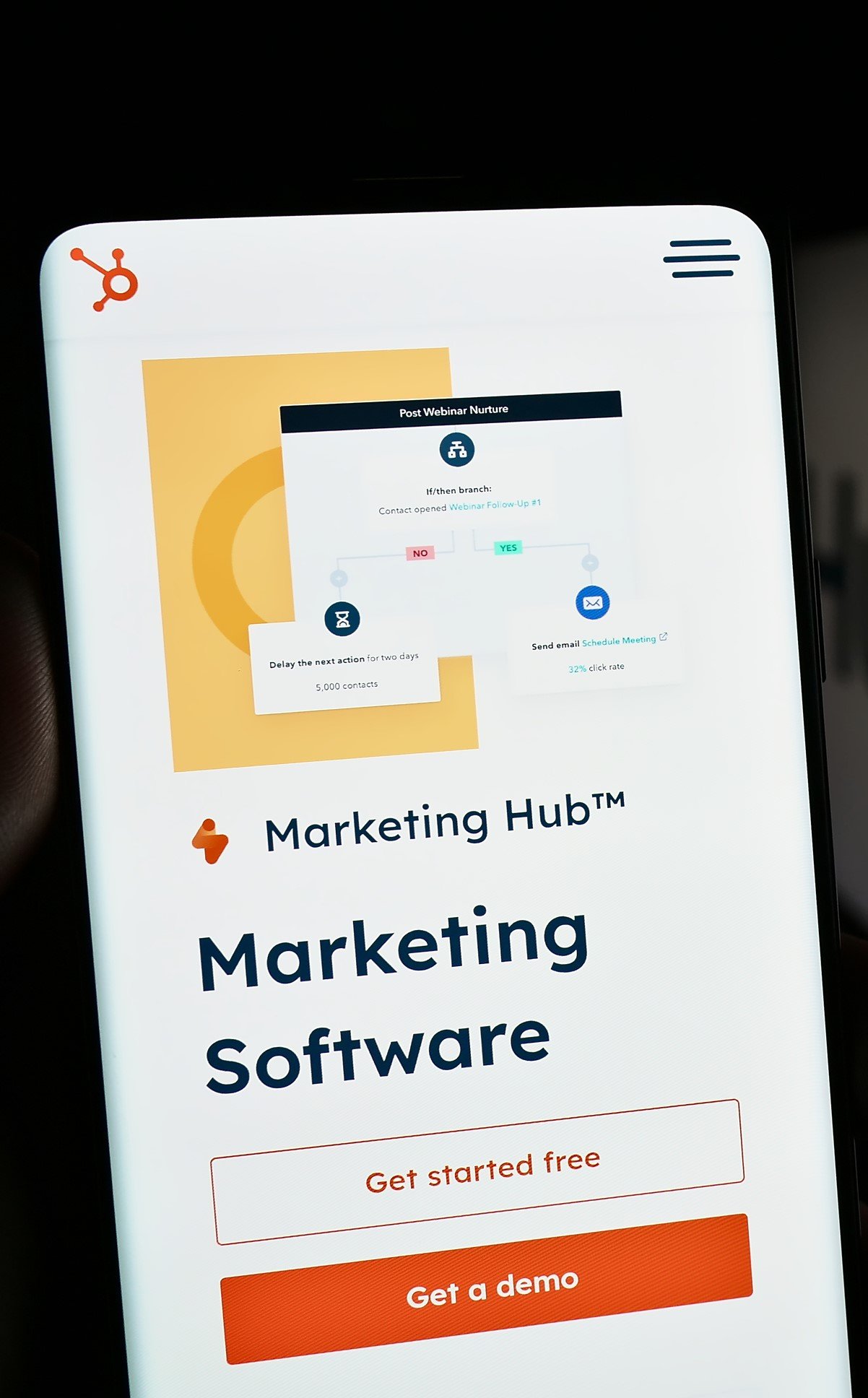
Among the most valuable HubSpot CRM features is its advanced marketing automation, which has reshaped how businesses attract, nurture, and convert customers. In an era when personalization is no longer optional, HubSpot’s Marketing Hub gives companies the ability to deliver targeted, relevant messages at scale.
Personalization at Scale
Personalization lies at the heart of HubSpot CRM features for marketing automation. HubSpot allows marketers to segment their audience based on dozens of factors, including demographics, behavior, and engagement history. Instead of blasting the same message to everyone, businesses can create highly tailored campaigns that speak directly to the needs of each segment. A returning customer might see dynamic website content showcasing loyalty discounts, while a first-time visitor receives an educational email designed to build trust. These personalized experiences drive higher engagement, stronger conversion rates, and a clearer return on marketing investment.
Lead Nurturing and Scoring
Businesses can build workflows that guide prospects through the funnel with thoughtful touches at every stage, from an initial welcome email to follow-ups after a demo. Paired with HubSpot’s lead scoring system, this approach ensures that sales teams spend their time on the most promising opportunities instead of chasing cold leads. The result is a more efficient sales process, stronger alignment between marketing and sales, and a measurable increase in conversion rates.
Analytics for Smarter Marketing
Every campaign, email, ad, and landing page can be tracked in real time, allowing businesses to see what’s working and what isn’t. Instead of relying on assumptions, teams can continuously optimize their strategies, reallocating resources toward the tactics that deliver results. For example, if website traffic is high but conversions are low, HubSpot provides the insights needed to pinpoint the gap and close it.
Connected Marketing, Sales, and Service
When a lead is ready to buy, all of their engagement history, from ads clicked to content downloaded, flows directly into the CRM, ensuring sales reps start conversations with context. On the flip side, marketing can use customer service data to design campaigns that build loyalty and reduce churn. This full-circle integration is what makes HubSpot stand out: every interaction across the lifecycle is connected, measurable, and actionable.
Proven Impact on Growth
Exceptional Service Module
Better Customer Interactions
Customers receive immediate and personalized responses, whether it’s a quick question or a more complex inquiry. By blending automation with human support, your team can handle routine issues quickly while still dedicating more time to high-value interactions.
Lasting Impact on Retention
The results speak for themselves. Companies that implement HubSpot’s Service Hub often see measurable improvements in customer satisfaction and retention. One business increased its satisfaction scores by 20% within six months of adoption, while another significantly reduced churn by combining ticketing and feedback features.

Advanced Operations Hub
Tasks that once consumed hours, such as data entry, syncing contacts between systems, or updating records, can now happen automatically. This frees teams to focus on strategy and execution instead of administration. Businesses that embrace these HubSpot CRM features often report major time and money savings.

Smarter Data Management
HubSpot’s Operations Hub synchronizes information across different platforms, ensuring that every department is working with the same set of facts. The platform also includes tools to clean and standardize data, which means reports are not only faster to generate but also far more reliable.

Actionable Operational Insights
HubSpot CRM features extend beyond automation and syncing. They also provide detailed analytics about internal workflows. Businesses can measure process efficiency, resource allocation, and system performance to identify bottlenecks before they become costly. This turns operations from a reactive function into a proactive driver of business performance.
The Power of HubSpot CRM Features
From comprehensive CRM integration to advanced marketing automation, streamlined sales enablement, and connected service and operations, HubSpot CRM features give businesses a powerful edge in a competitive market. These tools do more than manage contacts or automate emails. They create a unified system where every customer interaction is visible, every team is aligned, and every process is optimized for growth.
The companies that succeed with HubSpot are the ones that do not just install the platform and hope for the best. They implement it strategically, adapt it to their unique processes, and continually refine how it is used. That is where Fruition RevOps comes in. As a HubSpot Solutions Partner, our team helps businesses unlock the full potential of these features, whether that means onboarding from scratch, optimizing an existing setup, or scaling operations to match ambitious growth goals.
If you have been overlooking some of the most valuable HubSpot CRM features, now is the time to bring them to the forefront of your business strategy. With the right guidance, these tools can transform how you connect with customers, align your teams, and generate revenue.
Subscribe to learn more!
Share:
More Posts